
What You Are About To Read
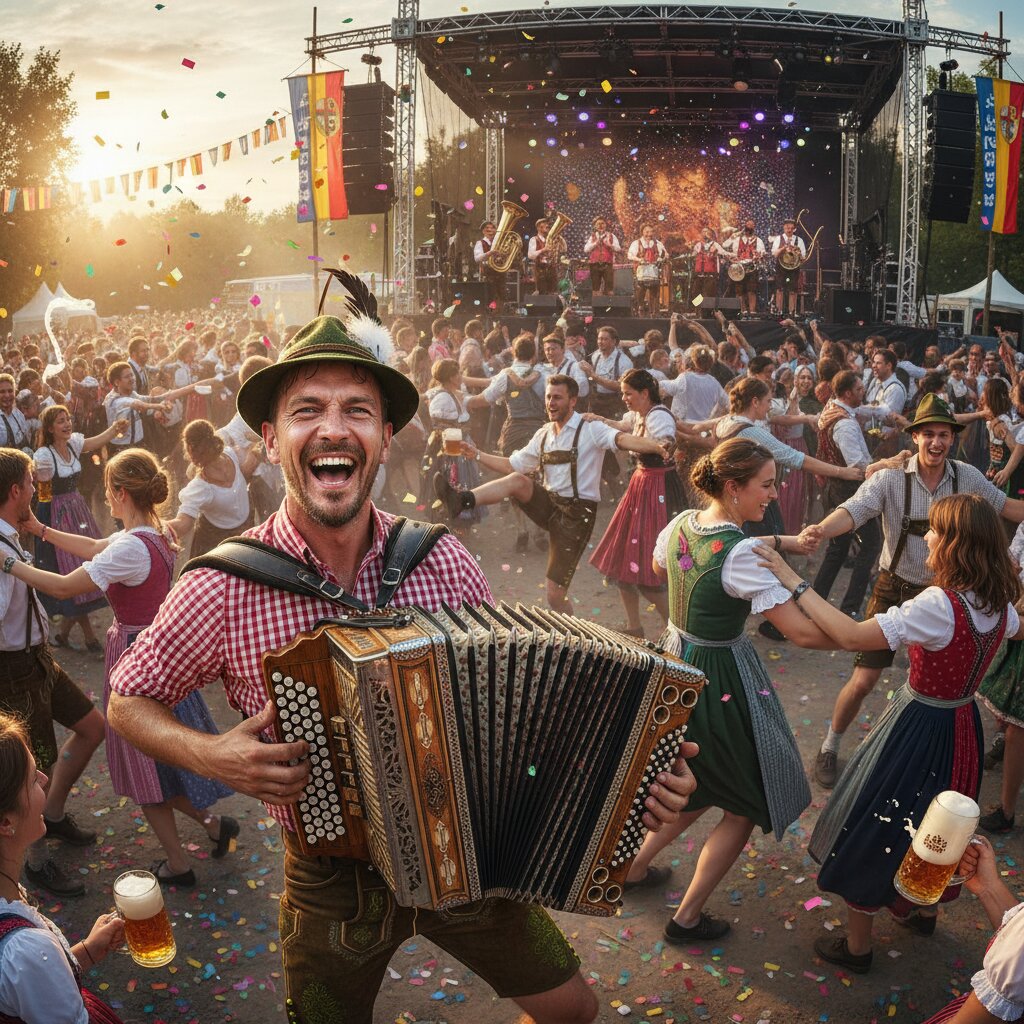
Most histories of polka begin in 1834. A Bohemian peasant girl named Anna Slezakova dances a half-step. A schoolteacher writes it down. Paris loses its mind. America happens. Weird Al wears a Hawaiian shirt. Roll out the barrel, the end.
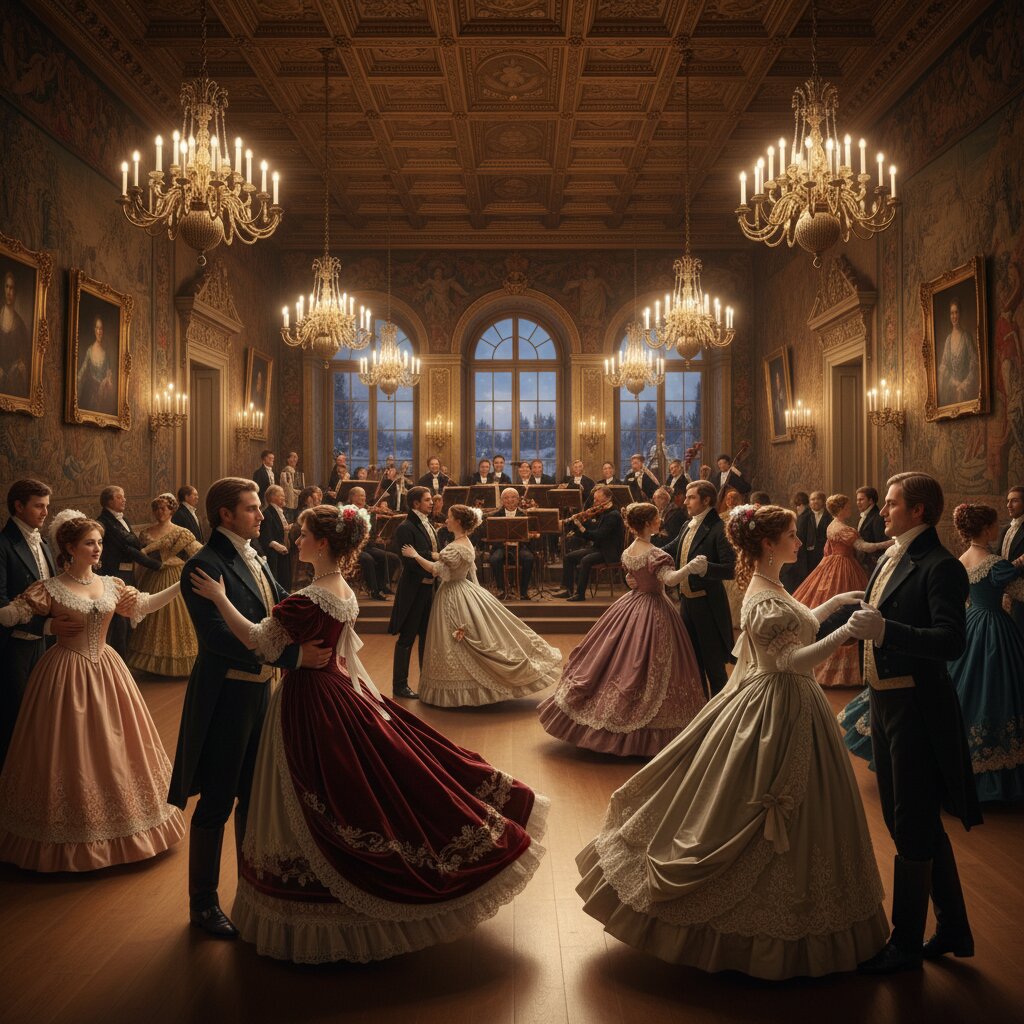
Most histories of polka are, regrettably, missing 647 years.
What we are about to tell you about the polka before 1834 is, depending on which monk you ask, either completely true, completely false, or a metaphor that becomes true if you understand the bellows. We are inclined to believe it. We invite you to make your own choices.
1187 — The Schism at Vyšeší
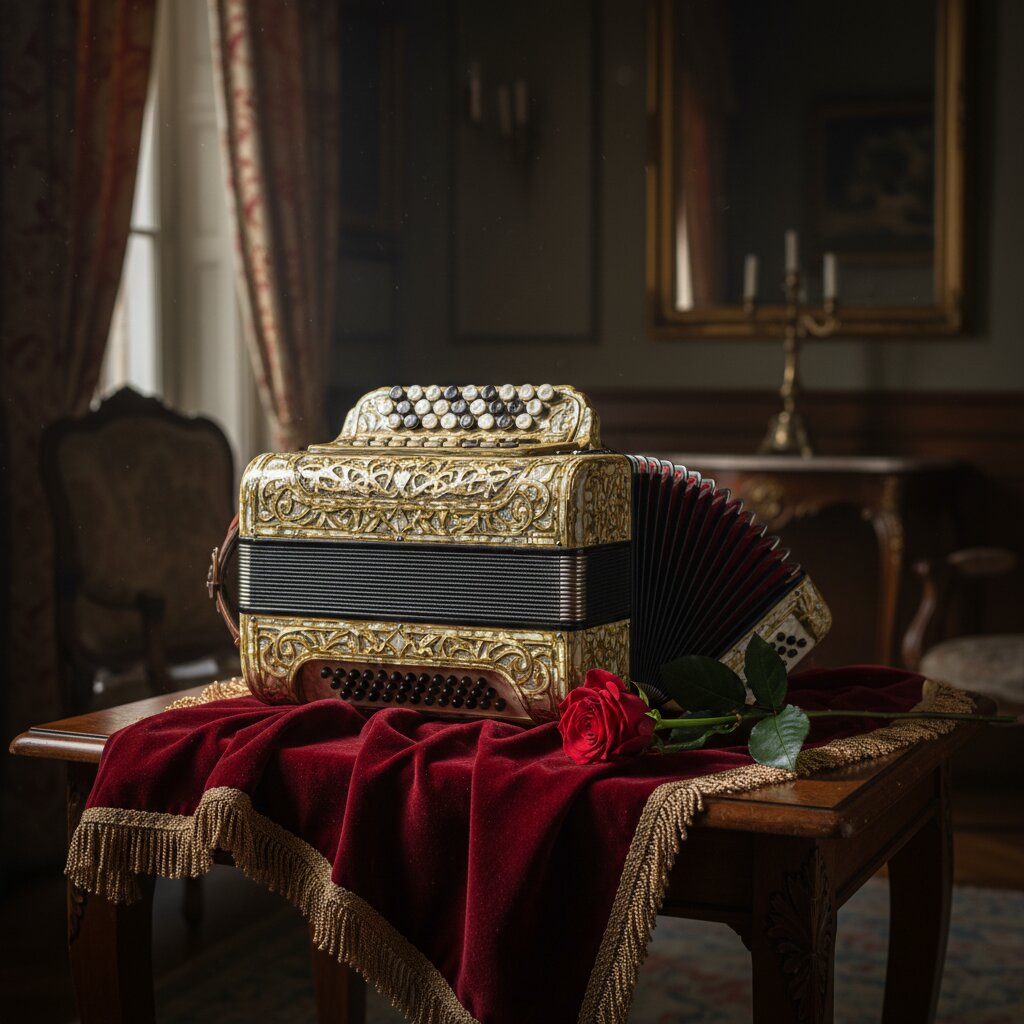
In the year of Our Lord 1187, at a small Cistercian monastery in the Bohemian highlands near a village now called Vyšeší (which translates, roughly, to "the higher place," and we believe this is not coincidence), a young monk named Brother Milíš began having visions during compline. He described them, in surviving correspondence to his abbot, as "a small but insistent musical instrument, like a folded book that breathes, calling me to play it."
Brother Milíš built one. From sheep bladder, oak, and reeds. He played it for the brotherhood in February 1188. Seven monks immediately renounced their existing vows and pledged themselves to the new instrument. They called themselves Ordo Inflantium — the Order of the Bellowed — and were excommunicated by Easter.
The Order, undeterred, retreated into the caves beneath their original monastery. They continued to play. They continued to write. They continued to grow. By 1250, there were chapter houses in present-day Czechia, Poland, Slovenia, southern Germany, and, by some accounts, Ireland.
 Ordo Inflantium
The Doctrine
The central teaching of the Order is captured in their motto, In bellis veritas — in the bellows, truth — and elaborated in their foundational text, the Codex Polonaise, an illuminated manuscript whose existence we cannot confirm but whose pages have circulated in scanned form on certain accordion forums since approximately 2003.
The Codex teaches that the polka beat — the steady, joyful boom-tisk, boom-tisk, boom-tisk — is not an invention. It is a fundamental frequency of the universe, preceding humanity by some 13.8 billion years, audible in the heartbeat of any mammal that has ever lived, and encoded into the very orbital mechanics of moons. The Order's role, the doctrine teaches, is not to create the polka. It is merely to listen for the polka, to hold space for the polka, and, when the moment arises, to release the polka into the world.
This, the Order believes, is what happened in 1834 when Anna Slezakova began dancing. Anna, the Order maintains, was not the inventor of polka. Anna was the conduit. The Order had been preparing the world for her for six hundred years.
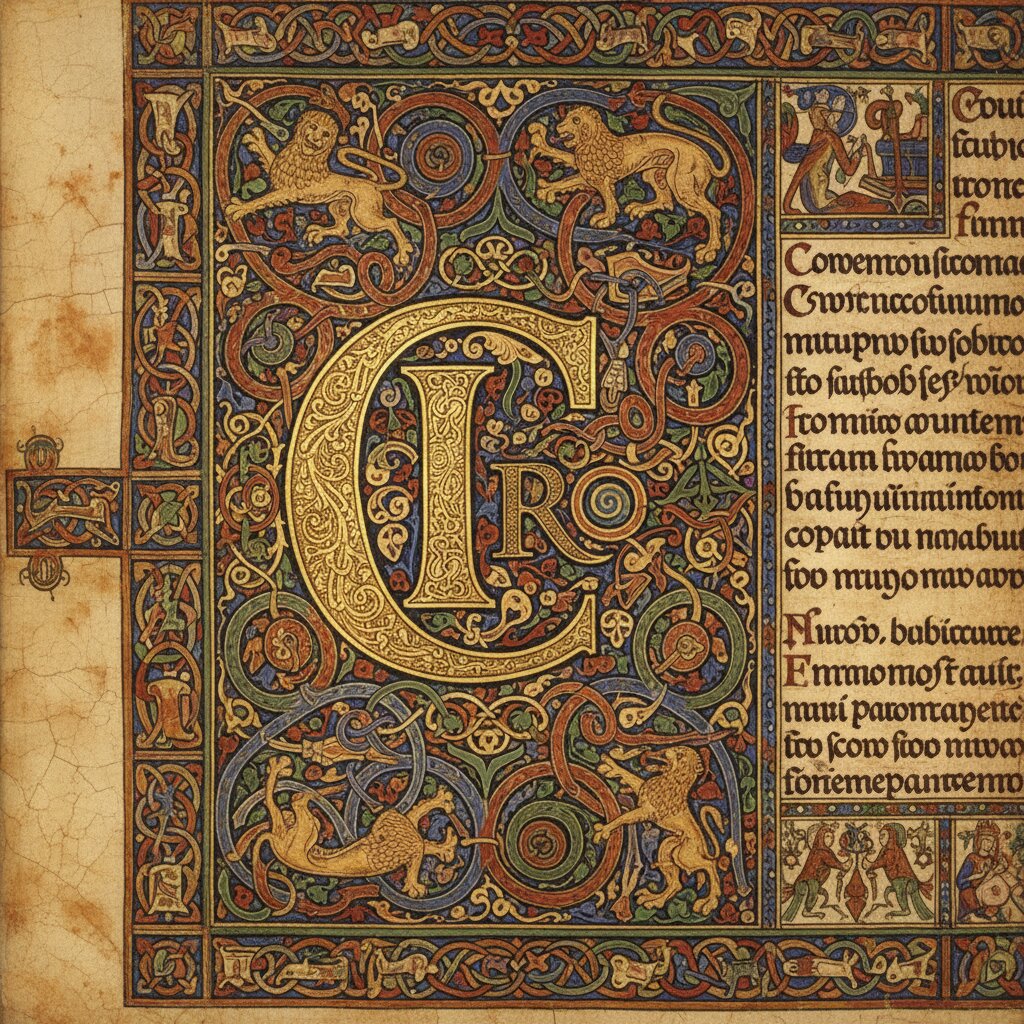 Codex Polonaise, fol. 47r
The Twelve Bellows of Initiation
The Order's training was — is — structured as a twelve-stage progression. A novitiate may spend three to seven years on each Bellow before being permitted to proceed. Many never advance past the Fourth. A few have completed all twelve. Brother Tomas, in 1389, was the first. By the Order's own count, there have been forty-seven Twelfth-Bellow masters in the eight centuries since. The most recent was inducted in 2019. We do not know their name.
- The Bellow of Stillness Hold the instrument for one hour without playing it. Listen.
- The Bellow of Breath The bellows is your lung. Match its rhythm to your own for the entire day.
- The Bellow of a Single Note Sustain one note for as long as one candle burns. Three nights consecutive.
- The Bellow of the Boom-Tisk Achieve the fundamental polka pulse. This is, the Order notes, harder than it sounds.
- The Bellow of the Wandering Hand Play with the left hand alone. Then the right. Then both, with eyes closed.
- The Bellow of Two Hundred Buttons Memorize every button on the bass side. The Order's preferred instrument has 120, but they expect aspirational thinking.
- The Bellow of the Bohemian Modes Play in seven traditional Czech-folk modes, including two that have no name and are taught only by humming.
- The Bellow of the Hidden Polka Compose, in your own head, a polka that has never been written down. Do not play it. Live with it for a year. This is, the Order says, the hardest Bellow.
- The Bellow of the Released Polka Write down the polka from Bellow Eight. Play it once. Burn the score.
- The Bellow of the Walking Beat Walk twenty miles while playing without stopping. The accordion is your only companion.
- The Bellow of the Two Hundred Listeners Play a polka for two hundred strangers. Watch them dance. Do not smile.
- The Bellow of the Returned Polka Receive a polka from a stranger. Play it once. Forget you ever heard it. The polka, the Order says, does not require your memory. The polka has its own memory.
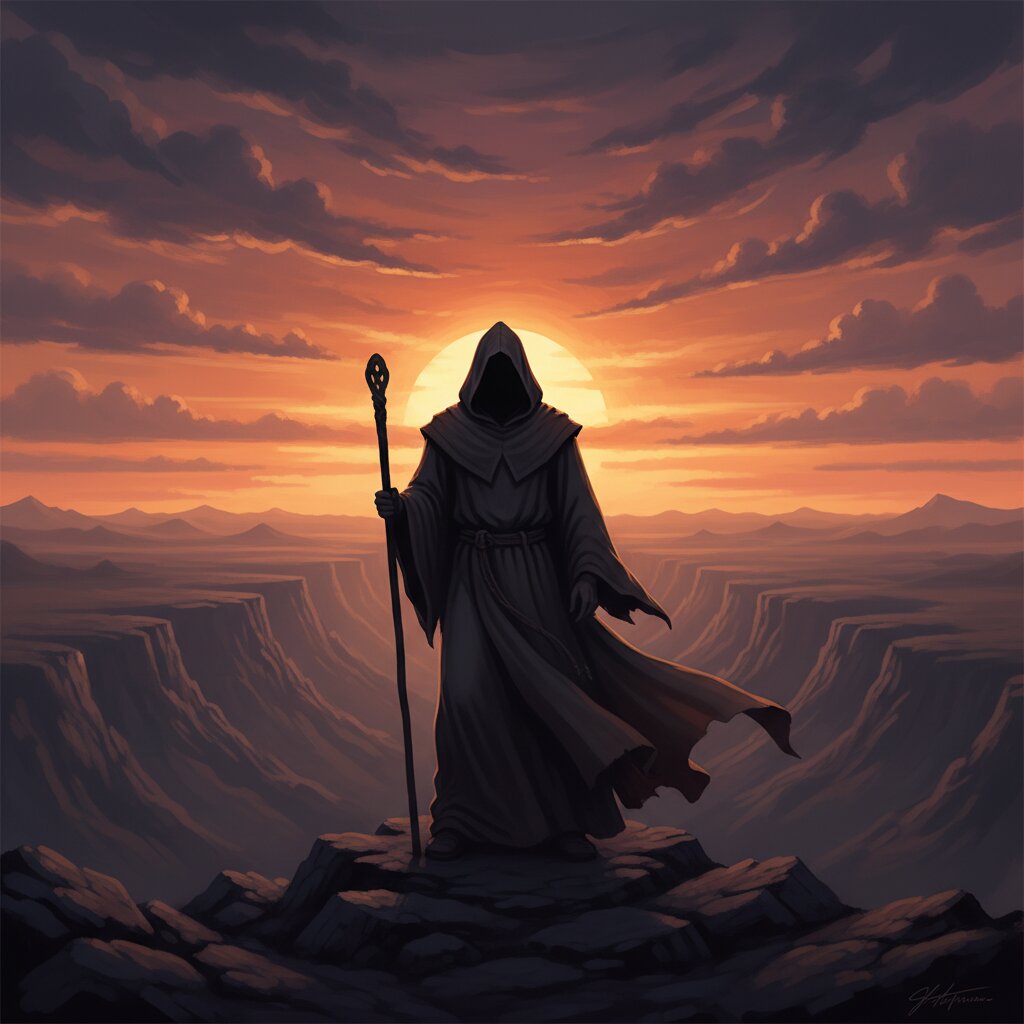 Sworn to Silence
The Modern Chapter Houses
The Order, by its own count, currently maintains nine chapter houses worldwide. Their locations are not publicized. They are, by design, ordinary — office buildings, suburban duplexes, the second floor of a Polish-American social club — chosen for their absolute lack of visual interest. We have, through what we will charitably call "investigative journalism" and what others may charitably call "spending an entire weekend driving around Lucas County, Ohio with a metal detector and a tube of pierogi," been able to confirm the location of exactly one.
It is in a small, beige, mid-century office building in suburban Toledo, with a strip-mall parking lot and a single second-floor window that, on Tuesdays around 9 PM, glows with a particular yellow light. There is no sign. There is no listing. There is a doorbell. There is, we have been told but cannot confirm, a password. We are not going to print the password.
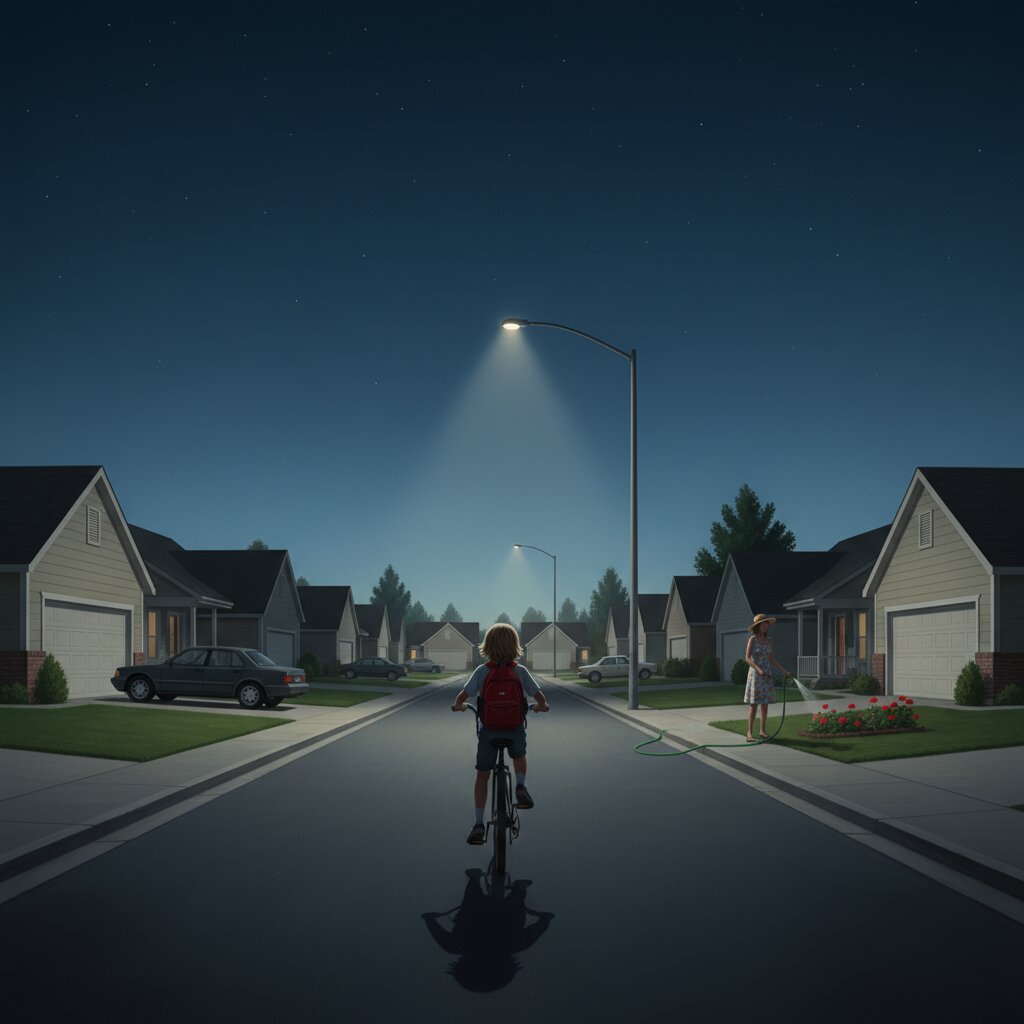 Toledo, OH
The Pilgrim Routes
The Order maintains a network of pilgrim paths connecting the nine chapter houses. These are not marked. They are, by tradition, walked, and only in seasons of personal crisis. A pilgrim is given a single instruction by their abbot: "Walk. The accordion will tell you when you have arrived." Pilgrims have reported, with unsettling consistency, that they did, in fact, know.
The known chapter houses, by region:
- Vyšeší, Czech Republic — the original. Still active, allegedly.
- Vienna, Austria — opened 1612. Closed 1938. Reopened 1955. We do not ask why.
- Wrocław, Poland — opened 1247.
- Ljubljana, Slovenia — opened 1390. A great deal of cheese.
- Cleveland, Ohio — opened 1907. The largest American chapter. They do not consider this a coincidence.
- Chicago, Illinois — opened 1923. Specializes in the Chicago "honky" interpretation of the Bellows.
- Suburban Toledo, Ohio — opened 1981. Unclear why. Possibly the only chapter house with a vending machine.
- San Antonio, Texas — opened 1968. Cross-pollinates with conjunto traditions, much to the consternation of Vyšeší.
- Location nine — redacted at the Order's request.
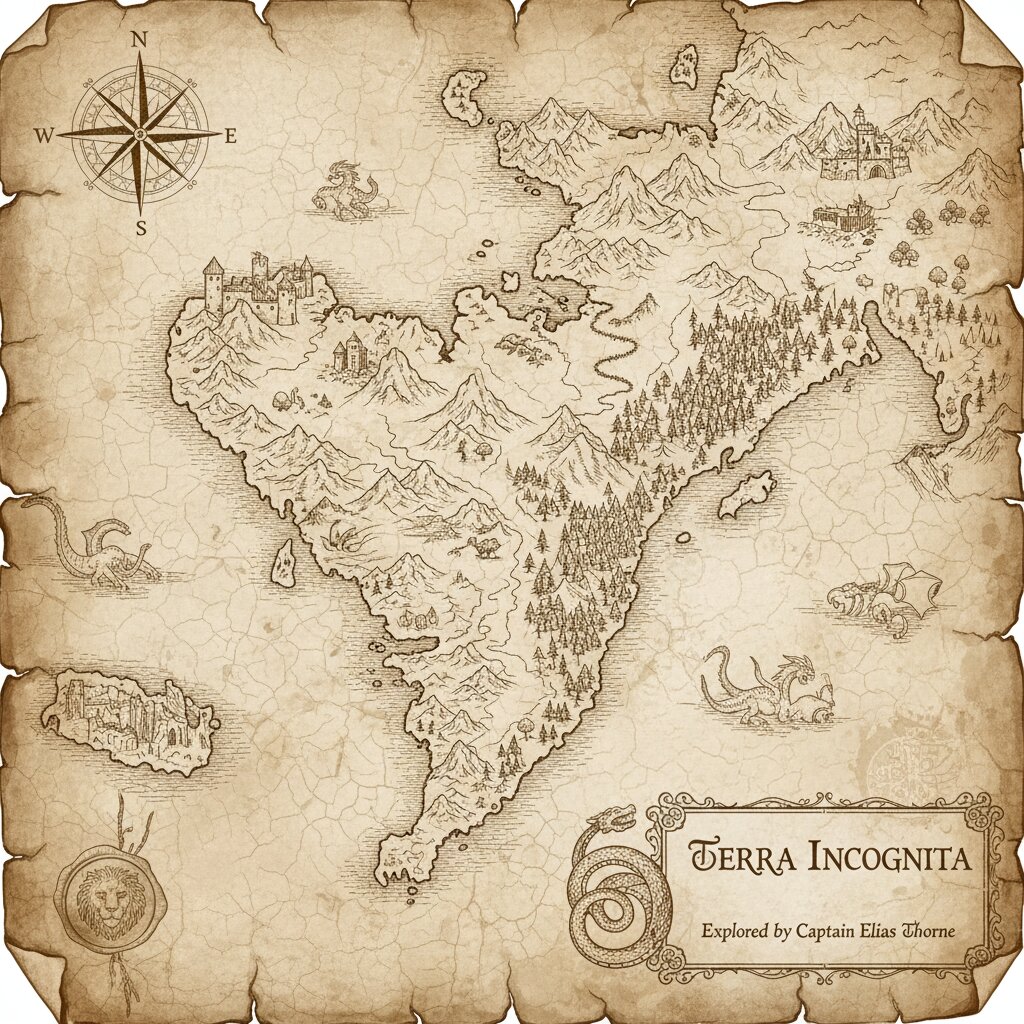 For Pilgrims Only
The Question We Refuse to Answer
You will have noticed, by now, that several things about this account are difficult to verify. We acknowledge this. We are willing to take questions. We are not willing to:
- Confirm or deny that the Codex Polonaise is real.
- Confirm or deny that a member of the Order briefly possessed Weird Al's accordion during a 2003 stop on the Poodle Hat tour.
- Provide the password to the Toledo chapter house.
- Print our source's name.
- Confirm whether the "ninth chapter house" is in fact on the Moon, as one anonymous correspondent insists.
- Discuss the specific arrangement of stones at the original Vyšeší monastery, which, when viewed from above, resemble — we are told — a fully extended accordion bellows. A separate dossier exists. It is not yet ready for publication.
If You Wish to Make Contact
We are not going to give you a phone number. We are not going to give you an address. We can, in good conscience, only offer the following:
On any Tuesday evening between 9:00 and 9:15 PM, in any city of more than 50,000 people, if you stand in a quiet place and listen for a faint boom-tisk on the wind, and you turn yourself in the direction the sound is coming from, and you walk that way, calmly, without urgency, for between forty minutes and four hours…
…something will happen. We don't know what. Several people have written to us. None of them have agreed on what it was.
If it does not happen on the first Tuesday, try the next one. If it does not happen on the third Tuesday, the Order is telling you something. Listen to the Order. The Order is, after all, listening to you.
If you have read this page, the Order is now aware of you. This is not a threat. This is not a metaphor. This is just how it works. Welcome.