Act I: A Teenage Girl Invents an International Dance Craze (1834)
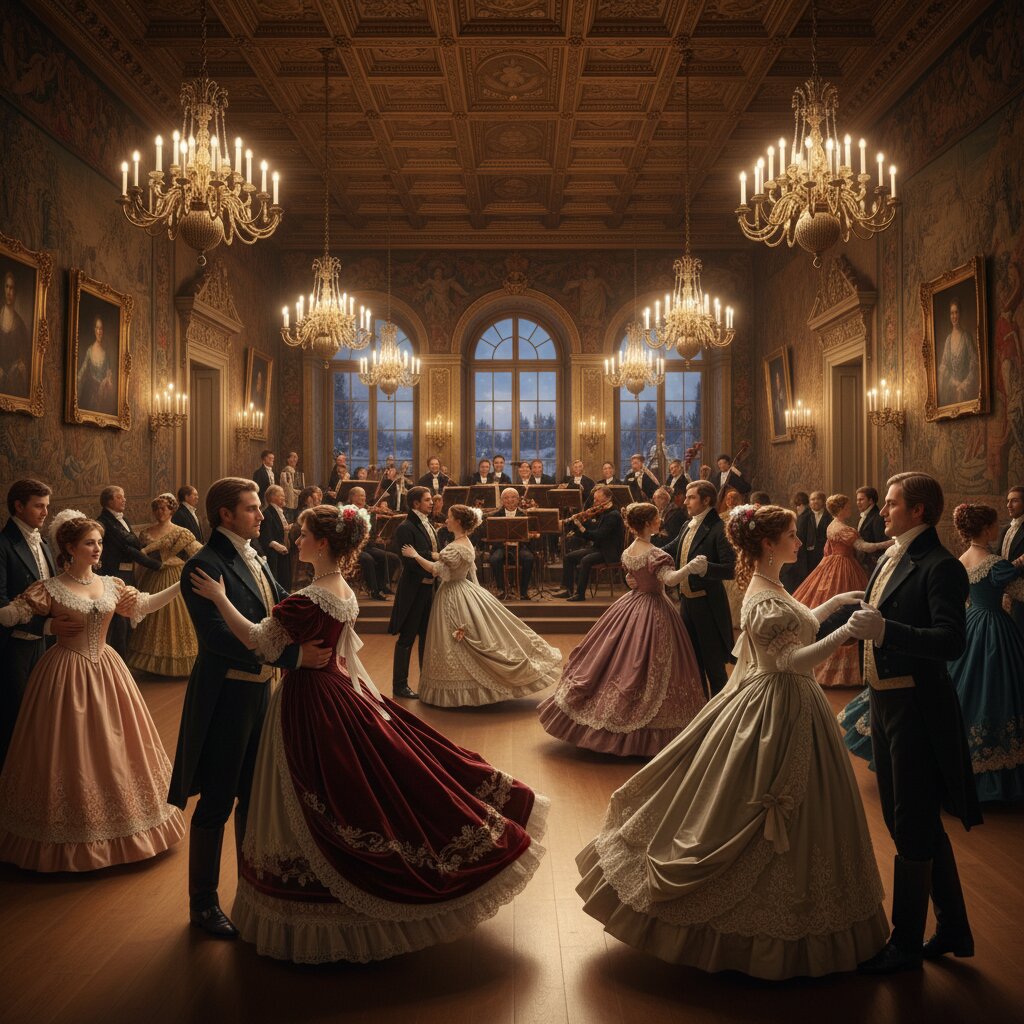
The most popular origin story — and we should be honest, this is folklore as much as history — goes like this. In 1834, in the Bohemian village of Kostelec nad Labem, a young woman named Anna Slezakova was dancing on a Sunday afternoon to a folk song called "Stálí rybníci" ("Uncle Nimra Bought a White Horse," which is a much funnier title in translation). A schoolteacher named Josef Neruda happened to be watching. He liked her steps. He wrote them down. He gave the dance a name: púlka, Czech for "half-step," because Anna's steps were tiny.
That, give or take, is the polka origin story. There is no statue of Anna. There should be. We accept tips on the GoFundMe.
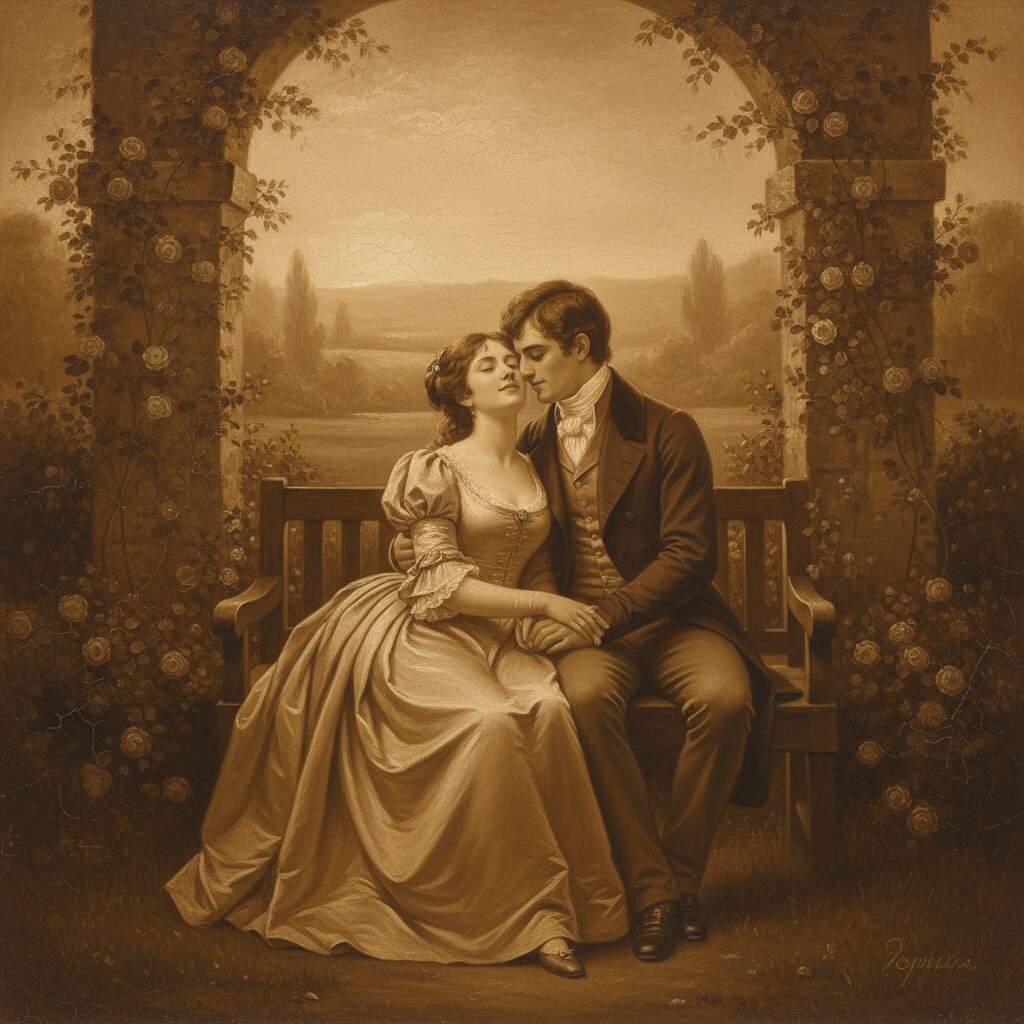 Bohemia, c. 1834
Act II: Paris Loses Its Mind (1840)
By 1840, polka had migrated to Prague's dance halls, where it became fashionable enough that a Bohemian dance instructor named Raab traveled to Paris to teach it. Paris, you have to understand, was the cultural epicenter of the Western world. Paris did not just like polka. Paris had a complete, society-wide nervous breakdown about polka.
Dance instructors raised their rates. Songwriters retooled entire catalogs. Tailors invented polka-specific shoes. Newspapers ran daily polka columns. There was, by 1844, a regular series in the French press literally called "La Polkamanie" — polka mania — documenting the cultural fever. We did not invent this term. We inherited it. We are simply continuing a 180-year-old tradition.
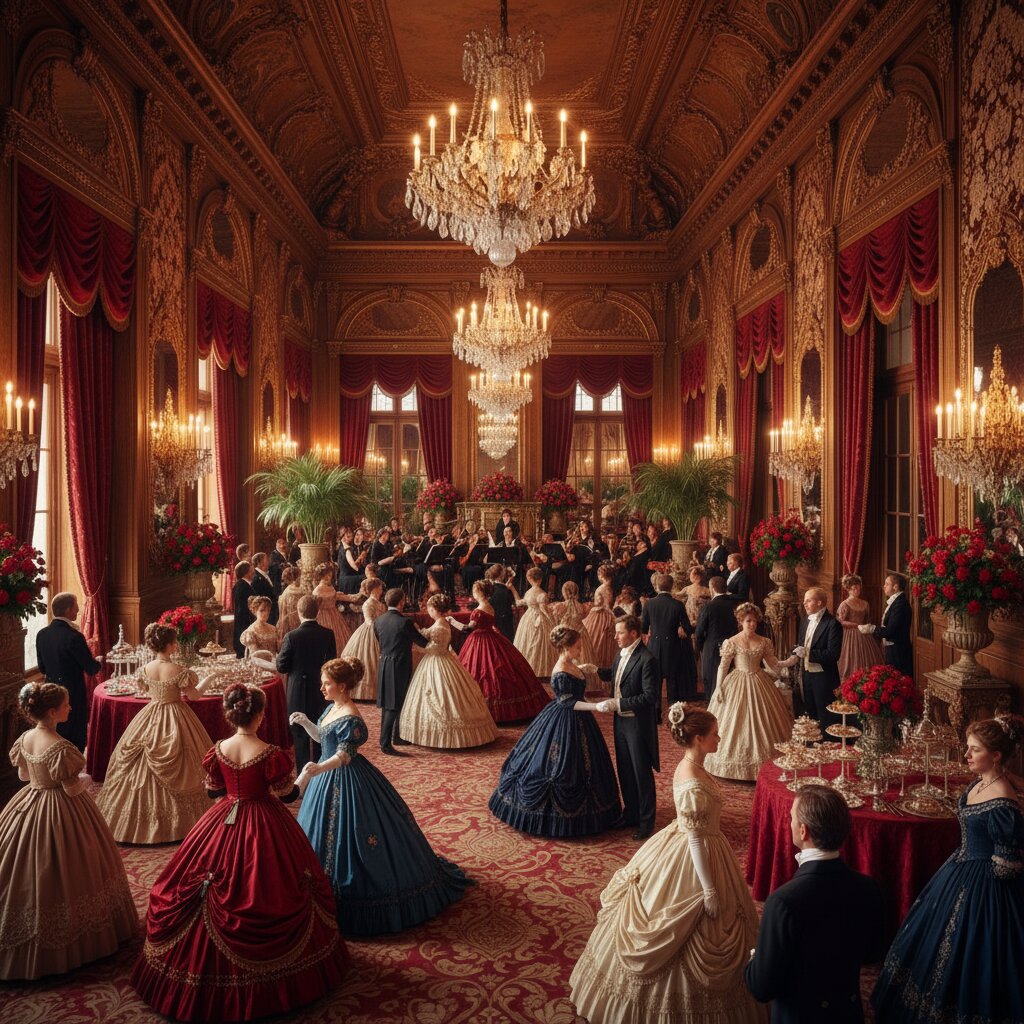 Paris 1840
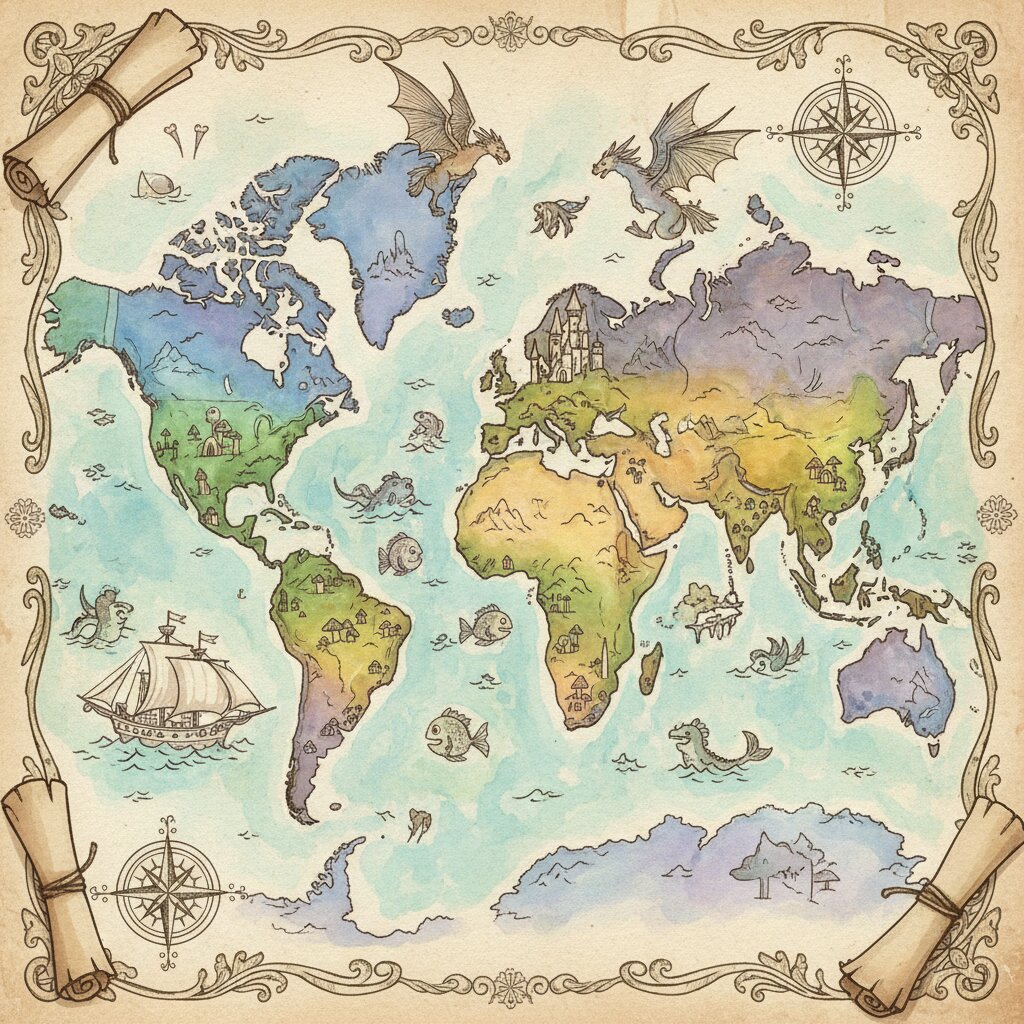 It Spread
Act III: World Tour (1844)
By 1844, polka was in London. By 1845, New York. By 1850, polka had been danced on every continent except Antarctica, where the conditions were not, frankly, conducive. (We checked. There are no records of an 1850 Antarctic polka. There should be. We are accepting expedition proposals.)
The dance hit America during a particularly fertile period of immigration. Czech, German, and Polish immigrants arriving in the 1840s and 50s brought polka with them. The Poles took it home with particular enthusiasm and made it their own. Within a generation, polka was already, somehow, perceived as Polish, despite being Czech. This is a recurring theme. The polka does not care who claims it. The polka wants only to be danced.
Act IV: The Accordion Arrives (1870s)
The polka existed before the modern accordion. Early polkas were played on fiddles, clarinets, brass bands, even pianos. But starting in the 1870s, manufacturers in Italy and Germany began producing accordions that were portable, loud, capable of handling bass + chord + melody simultaneously, and — crucially — cheap. A village dance band that used to need six musicians could now be one guy with an accordion plus, if you were feeling fancy, a drummer.
The accordion did not invent polka. The accordion was simply the most efficient possible polka-delivery system, and natural selection took it from there. By 1900, accordion-and-polka were so culturally linked that you could not say one without thinking of the other. This is still true. We tested it.
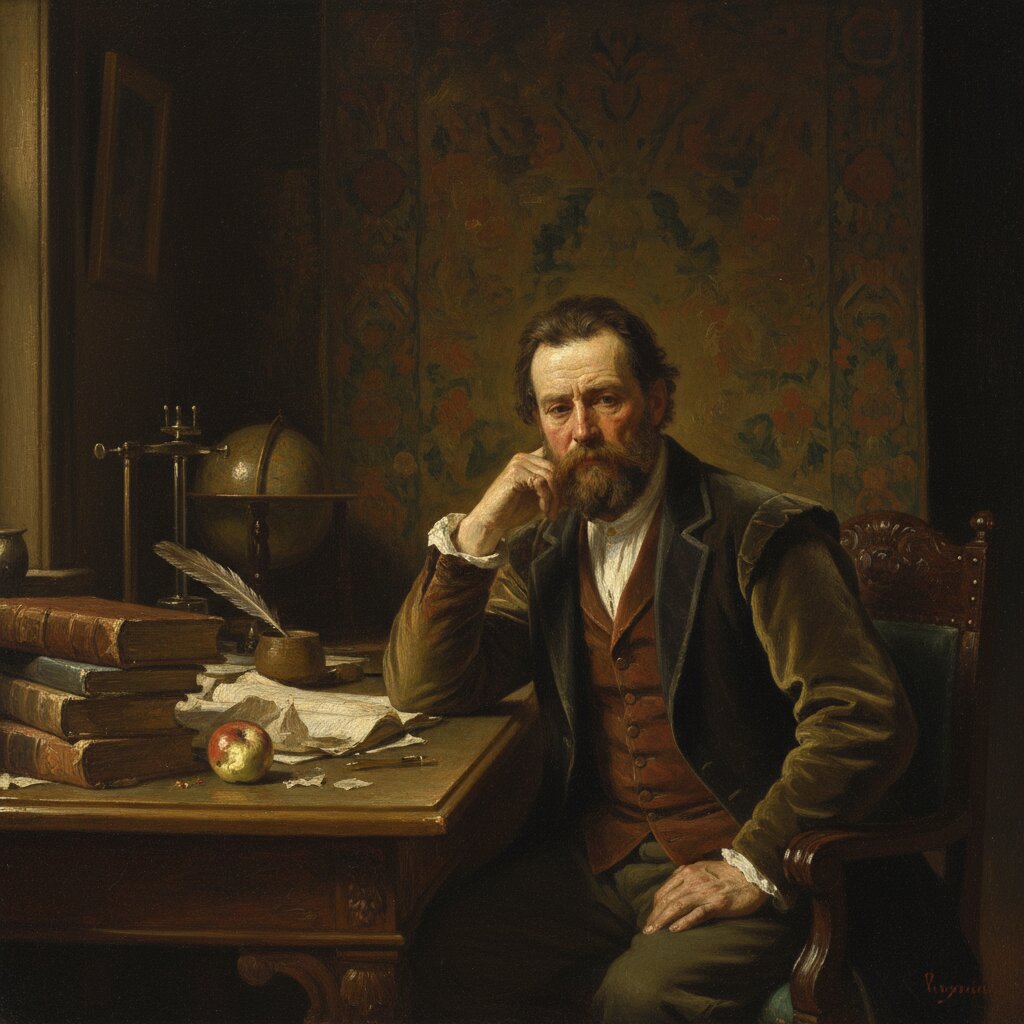 The 1870s
Act V: The American Branch (1880s–1920s)
Mass immigration from Central and Eastern Europe in the late 19th century created entire neighborhoods in American cities where polka was the default soundtrack. Cleveland's Collinwood neighborhood (Slovenian). Chicago's Bridgeport and Avondale neighborhoods (Polish). Milwaukee's South Side (German and Polish). Buffalo's East Side (Polish). South Texas (Czech and Mexican-Czech).
By the 1920s, each of these communities had developed its own polka style. Cleveland-style was brighter and faster. Chicago "honky" style was slower and weightier. Texas Czech polka had absorbed Mexican rhythms into something that would later be called norteña. The polka had not just survived the trans-Atlantic crossing — it had diversified.
Act VI: The Golden Age (1940s–1960s)
In 1947, a 32-year-old Cleveland accordionist named Frankie Yankovic walked into a Columbia Records studio and recorded "Just Because." It sold a million copies. He recorded "Blue Skirt Waltz" in 1949. It sold another million. Columbia did not really know what to do with this. Polka was supposed to be ethnic music. Polka was now, very rapidly, also pop music.
Throughout the 1950s and 60s, polka was a fixture on American television. Lawrence Welk's network show had polkas almost weekly. There were polka-specific TV shows in Cleveland, Chicago, Milwaukee, Buffalo, and Pittsburgh. The polka entered the suburban American living room and never quite left.
Act VII: The Underestimation (1970s–1980s)
By the 1970s, polka had been moved by mainstream American culture to the "your grandparents' music" shelf. This was, in retrospect, a mistake. Polka had not gone anywhere. It had just stopped being on prime time. The regional scenes — Cleveland, Chicago, Milwaukee, South Texas — never stopped. They simply continued, the way the actually-thriving parts of a culture often do, with no help from MTV.
Act VIII: The Hawaiian Shirt (1984)
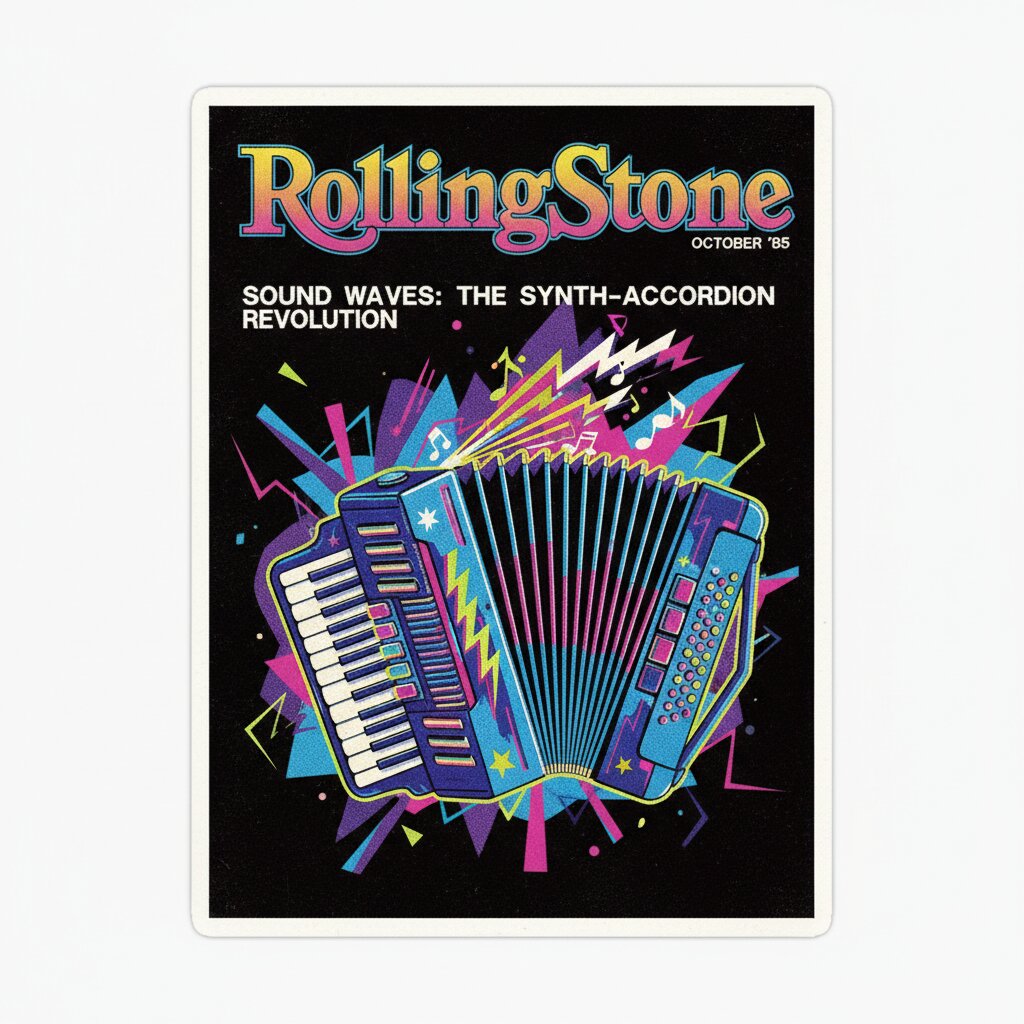
In 1984, a 24-year-old California architect-turned-accordion-comedian named "Weird Al" Yankovic recorded "Polkas on 45," a six-minute medley of pop hits in polka style. It got airplay. It got laughs. It got, eventually, Grammys. And it accidentally became the most effective polka recruitment campaign in 40 years.
The polka medley became a Weird Al fixture — every studio album since (with one exception) has included one — and an entire generation of MTV kids absorbed, almost without realizing it, that polka was a thing, polka was funny, polka was actually really good. The accordion had a public-relations renaissance it did not strictly need but absolutely earned.
Read the patron saint's full file here.
 1984
1984
Act IX: The Present (2026)
Polka in 2026 looks like this: regional festivals still pack thousands of attendees from Memorial Day to Labor Day. Cleveland's annual National Cleveland-Style Polka Festival remains a Thanksgiving tradition. Texas's Polka Music Hall of Fame in Ennis is busy. There are polka radio stations, polka cruises, polka YouTube channels with seven-figure view counts, and a thriving Tejano-polka scene that quietly outsells most of the genres you read about in Pitchfork.
Polka is not dying. Polka has, in fact, never been dying. Polka is simply the kind of culture that does not require your attention to keep going. It politely waits for you to come back. We are very glad you did.
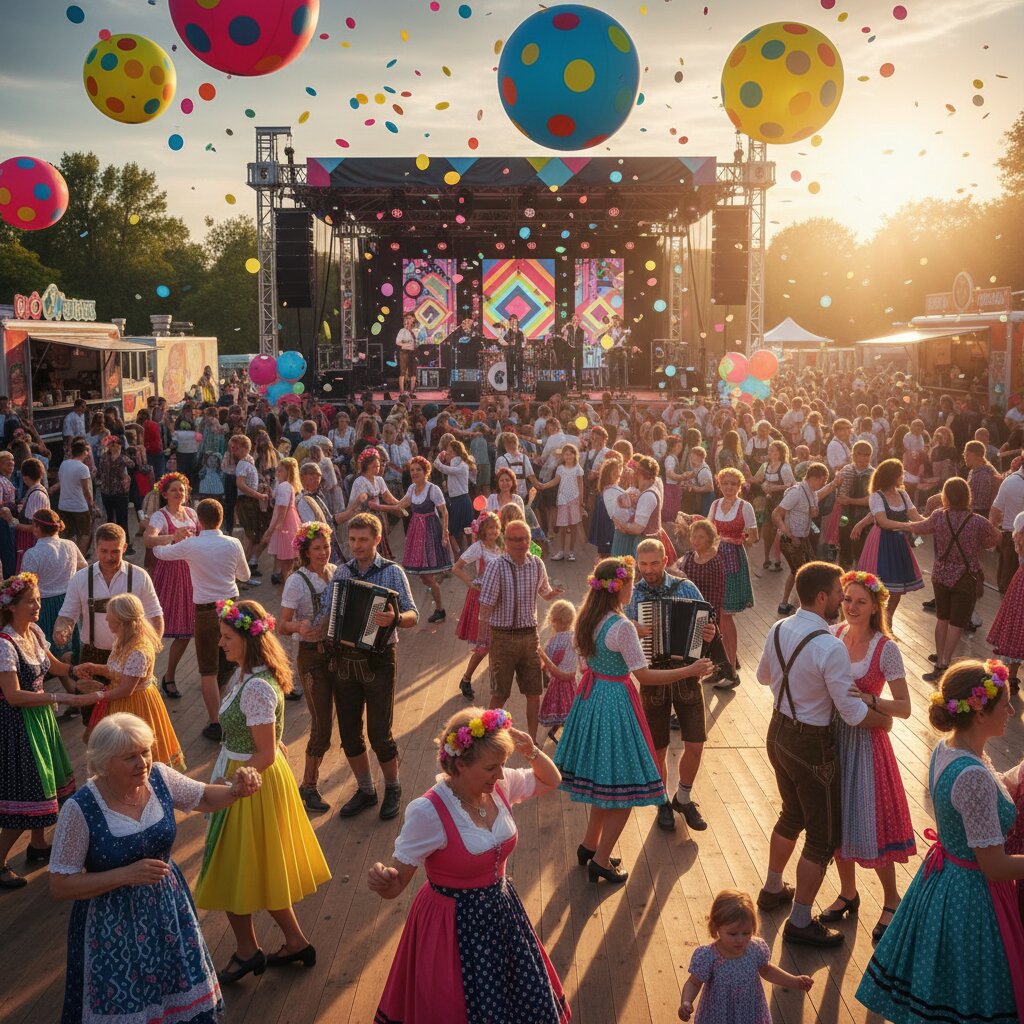 2026
2026