Polka has the unusual distinction of being a genre in which "King" is not a metaphor but a working title. Multiple kingdoms coexist. There are Cleveland-style kings, Polish-American kings, Slovenian-style kings, Texas-Czech kings, and at least one Canadian. They tour. They release albums. They appear at festivals wearing actual crowns sometimes. Below are the twelve sovereigns of greatest historical and cultural weight.
1. Frankie Yankovic — America's Polka King
1915–1998 • Cleveland, Ohio • Slovenian-American style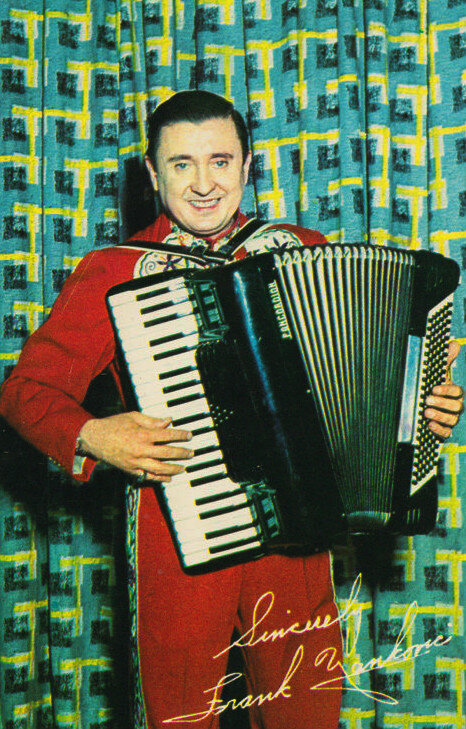
The original, undisputed, recognized-by-Congress-no-actually-an-official-Senate-resolution-was-passed Polka King. Frank John Yankovic (no relation to Weird Al) was born to Slovenian immigrants in West Virginia and raised in Cleveland's Collinwood neighborhood — the unofficial polka capital of America to this day. His 1948 recording of "Just Because" sold over a million copies. His 1949 follow-up, "Blue Skirt Waltz," sold over a million more. The button-box accordion in his hands was, without exaggeration, a hit-making machine.
He recorded 200+ albums, won the first Grammy for Best Polka Album when the category was created in 1985, and continued to tour until his death at age 83. The Cleveland-style polka he popularized — brighter, brassier, and more swing-influenced than its Polish or Czech cousins — became the de facto American polka sound. If you've heard a polka in America, you've heard Frankie's fingerprints.
2. Jimmy Sturr — The Eighteen-Time Grammy Champion
1942– • Florida, NY • Polish-American with eclectic flourishes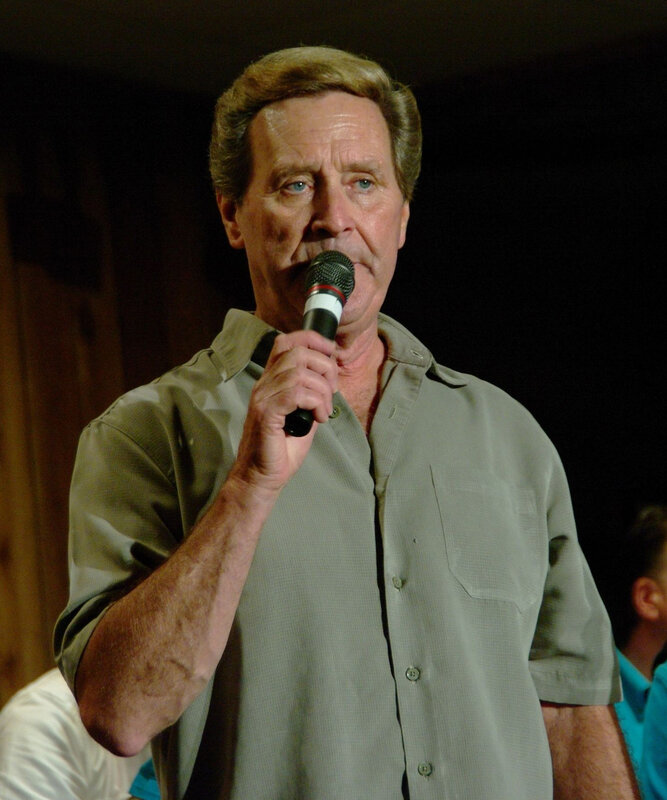
The most-decorated polka musician in history. Jimmy Sturr has won eighteen Grammys. To put that in perspective: that is more than Bruce Springsteen, more than Madonna, more than Frank Sinatra. The Grammys for Best Polka Album category, which existed from 1985 to 2008, were won by Jimmy Sturr eighteen times. When the Grammys eliminated the polka category, fans pointed out, not unfairly, that they may have been doing so simply because Jimmy Sturr's name was on the trophy too many times.
His band has played the Grand Ole Opry, the White House, and at least one Boy Scout Jamboree. His albums have featured guest appearances from Willie Nelson, Mel Tillis, and the Boston Pops. He is, fundamentally, polka's ambassador to every other genre on Earth.
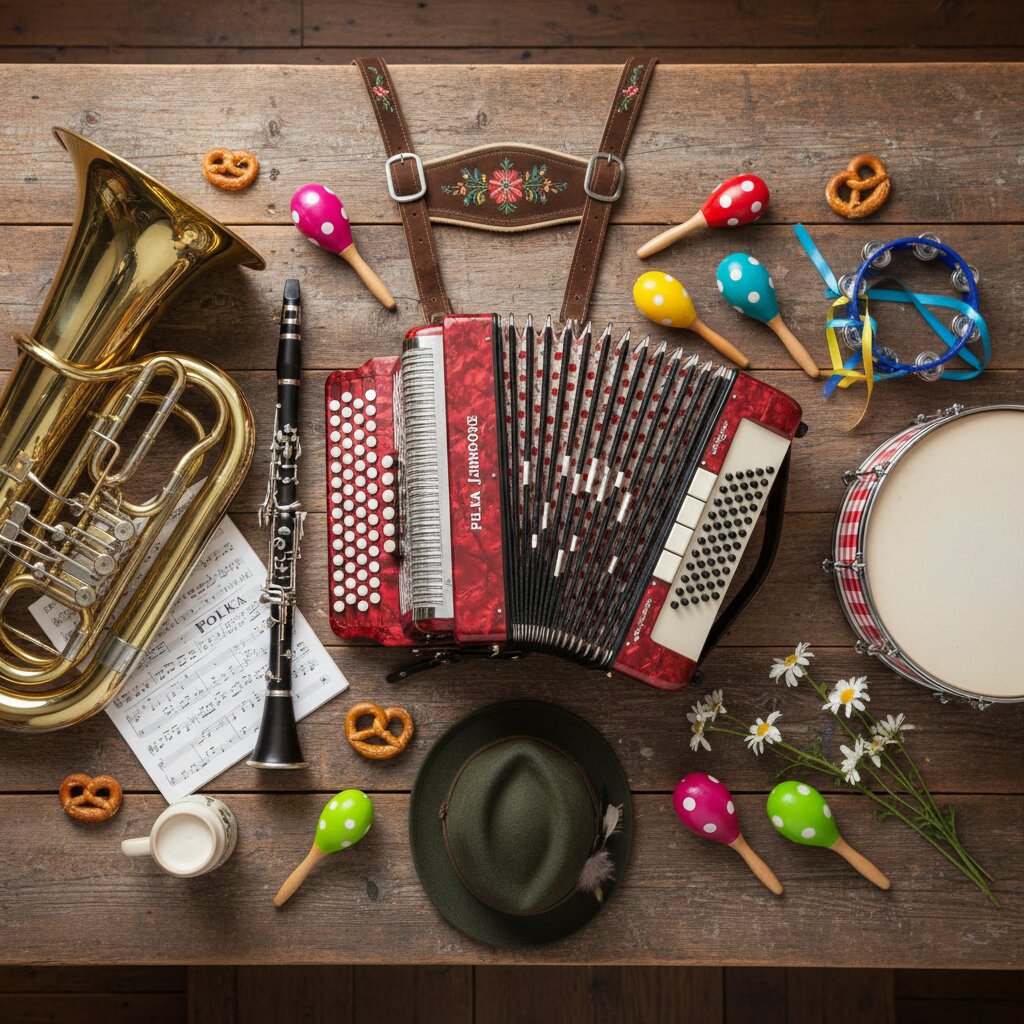 Royal Regalia
3. Walter Ostanek — Canada's Polka King
1935– • St. Catharines, Ontario • Slovenian-Canadian style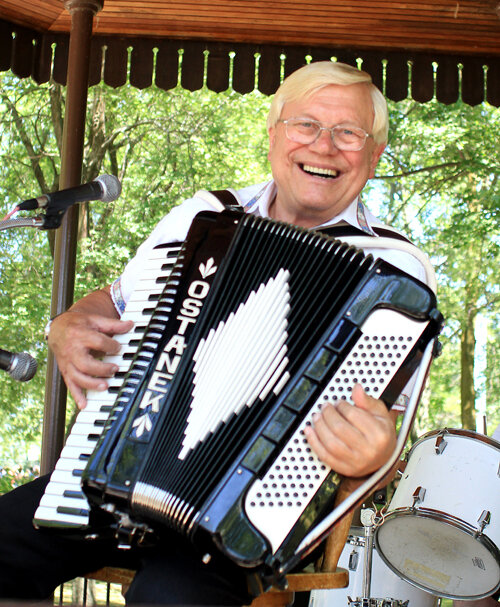
Three Grammys. A Member of the Order of Canada. Toured with Frankie Yankovic for years and is widely considered Frankie's spiritual heir. The man is so beloved in Ontario that there is a Walter Ostanek Day. (June 1, in case you're free.) He still performs, in his late 80s, with the energy of someone three decades younger. We do not understand. We accept.
4. Eddie Blazonczyk — The Chicago Polka King
1941–2012 • Chicago, Illinois • Polish-American styleFounded the Versatones in 1963 and basically built Chicago-style polka into a force. Grammy winner. Polka Music Hall of Fame inductee. National Heritage Fellowship recipient from the NEA — an actual federal recognition of the man as a national treasure. His son, Eddie Blazonczyk Jr., still leads the Versatones today. The throne is hereditary, in case you were wondering.
5. Brave Combo — The "Nuclear Polka" Kings
1979– • Denton, Texas • "Nuclear polka" (their term, not ours)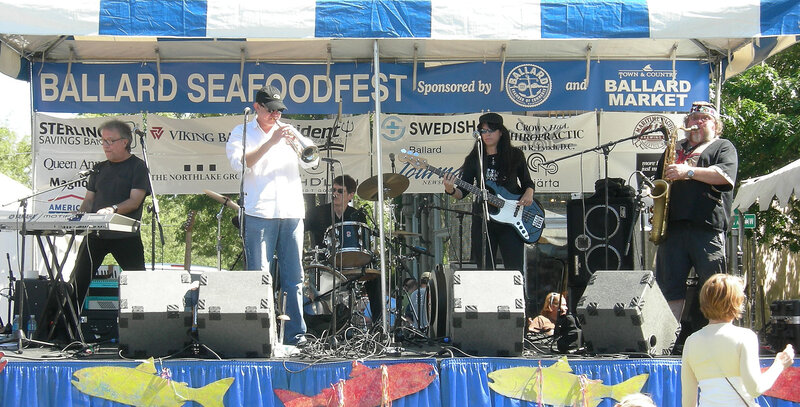
Brave Combo is what happens when a bunch of art-school kids in Texas decide that polka should be a vehicle for absolutely anything — cumbia, rumba, ska, surf rock, and even "People Are Strange" by The Doors, rendered as a polka. Two Grammys. Performed at Bob Dylan's wedding. Appeared on The Simpsons. Their motto could be: "polka is a verb, not a noun." We agree.
6. Li'l Wally Jagiello — The Father of "Honky" Polka
1930–2006 • Chicago, IL • "Honky" / Chicago-Polish styleIf Frankie Yankovic was the Cleveland sound, Li'l Wally was the Chicago sound. He invented (or at minimum codified) "honky" polka — slower, more emphatic, often sung in Polish, with a trumpet doing what an accordion does elsewhere. Polka Music Hall of Fame. Founder of Jay Jay Records. Did a 50-year run. Still revered in Polish-American homes from Chicago to Buffalo.
7. The Dynatones — The Working Band's Working Band
1972– • Buffalo, NY • Polish-American styleTwo Grammys. The polka equivalent of a session-musician supergroup — tight, fast, and absolutely indestructible live. Their version of "Frankie Yankovic Polka" might be the most respectful, fun tribute one polka band has ever paid another.
8. The Lemko Brothers — The Old-Style Stewards
1980– • New York • Carpathian-Rusyn / Polish stylePreserve the deepest old-country polka traditions — the kind their grandparents would have danced to in a Carpathian village in 1910. Less famous than the Grammy-bait kings, beloved among purists, and a reminder that polka has roots that go a long way down.
9. Hank Haller — The Quiet Cleveland Master
1928–2017 • Cleveland, Ohio • Slovenian-Cleveland styleLess of a showman than Frankie, more of a virtuoso. The accordion player's accordion player. Recorded with Frankie Yankovic. Played for decades on Cleveland-area TV. Recipient of the Polka Music Hall of Fame's Lifetime Achievement Award. The kind of king who never needed a crown.
10. The Polka Queens (Yes, Plural)
Various • Cleveland, Chicago, Milwaukee, moreThe kings are well-documented. The queens, less so — an oversight we are now correcting. Stas Bulanda's polka queens, Lynn Marie Rink (Grammy nominee, Cleveland-style accordionist), Jolene Janacek, and the dozens of bandleader's wives who ran the books, sold the merch, and arranged half the songs. The polka monarchy has, in fact, always been a co-regency. We are belatedly handing out crowns.
11. Alex Meixner — The Modern Heir
1973– • Pennsylvania • Multi-style fusionCarrying the genre forward into the 21st century. Multi-instrumentalist, Grammy nominee, and probably the most-streamed living polka artist. Recorded with Brave Combo. Performed at Disney World, Epcot, and inside at least one Hofbrauhaus. The accordion is in good hands.
12. "Weird Al" Yankovic — The Honorary King
1959– • California • The accordion-medley empire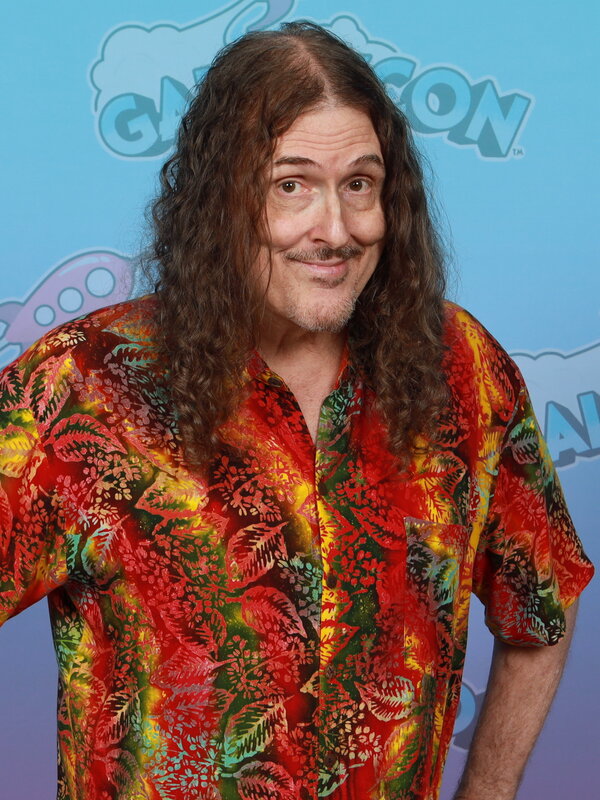
Not a "polka musician" in the strict purist sense — he's a parodist who happens to be a phenomenal accordion player. But he sells more polka records than anyone alive, he has more polka tracks in active rotation than every other living polka artist combined, and his medleys have introduced more new fans to polka than any single artist in the last 50 years. The traditionalists may grumble. The throne is his.
Read the full Weird Al dossier here and the complete medley canon here.
The Regional Kingdoms, At a Glance
Polka in America is not one music. It is at least five musics, all coexisting:
- Cleveland-style (Slovenian-American) — Brighter, faster, brass-heavy, button-box accordion. Frankie Yankovic, Walter Ostanek, Hank Haller. The default American polka.
- Chicago-style "honky" (Polish-American) — Slower, weightier, trumpet-led, sung in Polish. Li'l Wally, Eddie Blazonczyk. Bring an appetite.
- Eastern-style "push" (Polish-American) — Faster than Chicago, more concertina. Jimmy Sturr, the Dynatones.
- Texas Czech — aka "polka norteña" — Cross-pollinated with Mexican music. Accordion central. Often sung in Spanish or Czech, sometimes both at once.
- Conjunto / Tejano polka — The Texas-Mexico borderlands version. Bajo sexto, accordion, drum kit. Probably the highest-volume polka subgenre alive today.